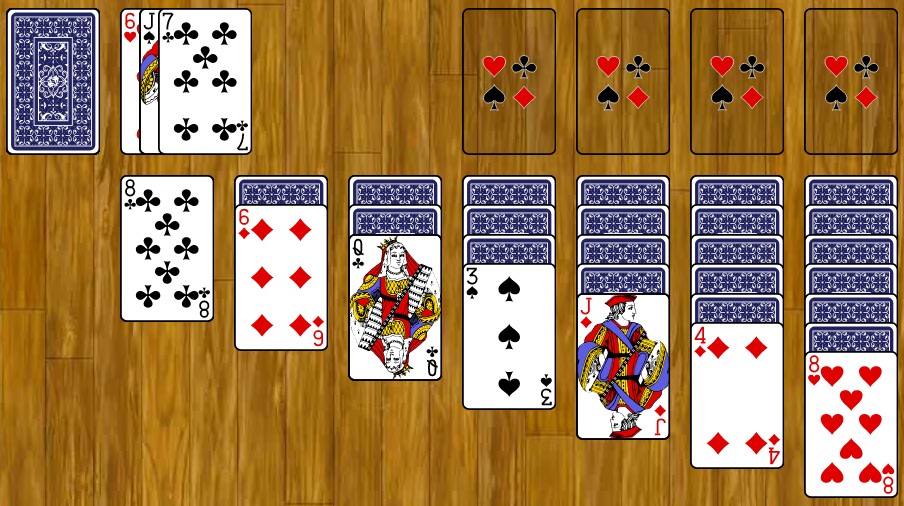
In the world of card games, one of them stands out as an eternal and lonely pastime - solitaire. Played by millions of people around the world, this classic game has moved beyond physical cards to become a digital phenomenon. Let's explore the enduring appeal and fascinating history of the game that has become a digital companion for moments of relaxation and contemplation.
The roots of solitaire go back centuries, and its origins are shrouded in the fog of time. While the debate continues about when exactly it was born, solitaire has evolved, taking on different forms and names in different cultures. From the royal courts of Europe to the huts of 19th century pioneers, the game has survived by adapting to different times and contexts.
A turning point for solitaire was the digital revolution, in particular its inclusion in Microsoft Windows in the early 1990s. The digital version of the game became a staple on millions of computers around the world, introducing a new generation to the lonely joy of spreading cards on a virtual table. The game's simplicity and accessibility made it a favorite pastime during office breaks and quiet moments at home.
What is it about solitaire that fascinates players of different generations? At its core, solitaire is a game of strategy and patience. Playing alone allows players to focus, plan their moves, and overcome difficulties at their own pace. The satisfaction of successfully completing a challenging hand creates a unique sense of accomplishment and peace of mind.
With the advent of smartphones and mobile applications, solitaire has seamlessly moved to the palm of your hand. The game's adaptability to different devices and operating systems has ensured its status as a constant companion for those looking for a moment of respite. Whether it is waiting in line or relaxing after a busy day, solitaire has become an ideal option for a quick relaxation.
In addition to its entertainment value, solitaire has gained recognition for its therapeutic benefits. The focused and repetitive nature of the game provides a mindful escape, allowing players to clear their minds and reduce stress. In a world filled with constant stimuli, solitaire offers a serene escape, promoting mental well-being and relaxation.
The adaptability of solitaire is not limited to its digital transition. The game has spawned numerous variations and challenges, from Spider Solitaire to Frizzled Solitaire, adding layers of complexity for those seeking a more intricate card playing experience. These variations ensure that solitaire remains fresh and appealing, catering to a diverse audience. However, there are other top card games out there: https://www.macken.xyz/2022/07/de-popularaste-kortspelen-pa-online-casino/
When we reflect on the enduring popularity of solitaire, it becomes apparent that this card game is more than just a pastime; it is a cultural phenomenon. From its humble origins to its digital popularity, solitaire has evolved with the times, offering a simple yet profound experience for players seeking solace, challenge, and the eternal joy of playing cards alone.
More information: https://aeloi.com/art/adapting-to-every-screen-the-evolution-of-online-casino-apps-across-devices.html
